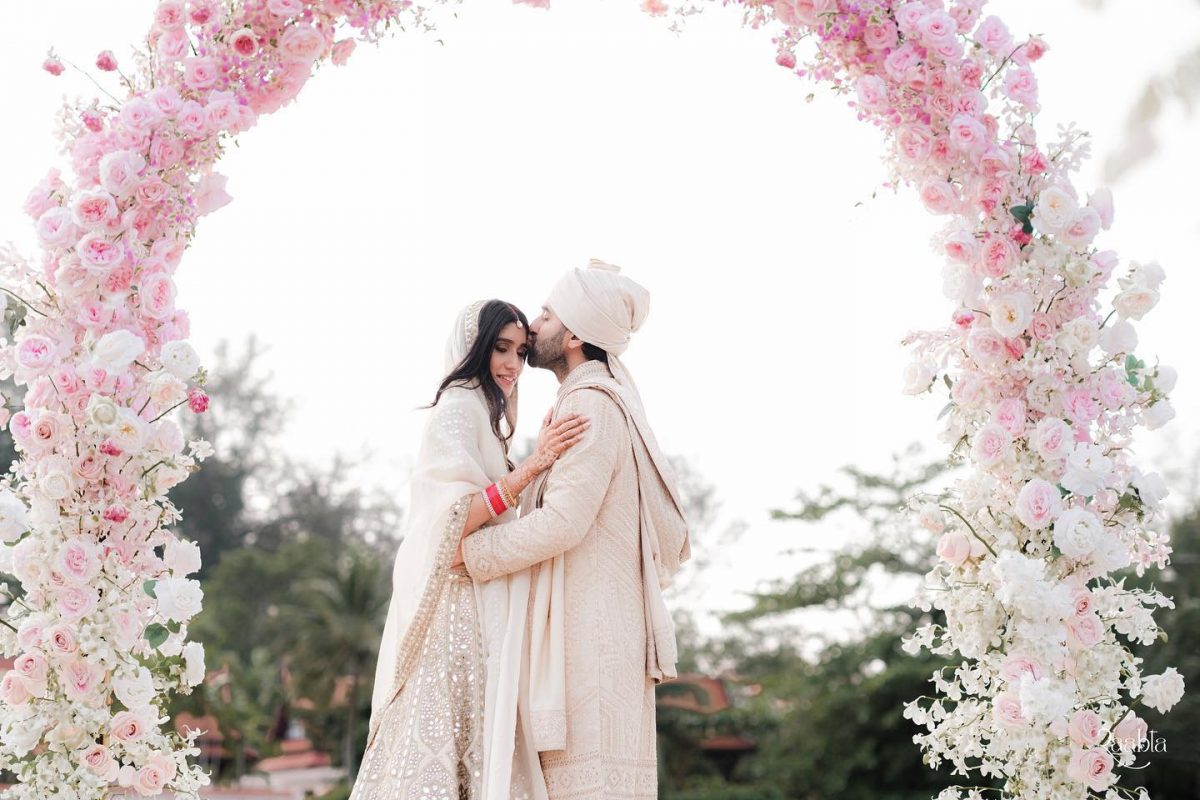
Indian weddings are renowned for their rich cultural heritage, vibrant celebrations, and time-honored traditions. From elaborate rituals to symbolic ceremonies, each aspect of an Indian wedding holds deep significance and plays a crucial role in uniting two souls in matrimony. If you’re planning an Indian wedding, here are 10 essential traditions that you simply can’t miss:

- Roka Ceremony: The Roka ceremony marks the official announcement and acceptance of the couple’s engagement. It is typically held at the bride’s or groom’s home and involves the exchange of gifts, blessings from elders, and the tying of the sacred thread (Rakhi) on the groom’s wrist by the bride’s family.
- Mehendi Ceremony: The Mehendi ceremony is a joyous pre-wedding ritual where the bride’s hands and feet are adorned with intricate henna designs. It is a time for celebration, music, and dance, as the bride-to-be is surrounded by her female relatives and friends, who also apply Mehendi on their hands.
- Haldi Ceremony: The Haldi ceremony, also known as Pithi or Ubtan, involves applying a paste made from turmeric, sandalwood, and other herbs on the bride and groom’s skin to cleanse and purify them before the wedding. It is believed to bring good luck and ward off evil spirits.
- Ganesh Puja: Before the wedding ceremonies commence, a Ganesh Puja is performed to seek the blessings of Lord Ganesh, the removal of obstacles. A small idol or image of Lord Ganesh is worshipped, and prayers are offered for a successful and obstacle-free wedding.
- Baraat Procession: The Baraat procession is a lively and festive affair where the groom, accompanied by his family and friends, makes a grand entrance to the wedding venue. He is typically seated on a decorated horse or elephant, and the procession is accompanied by music, dancing, and revelry.
- Jaimala Ceremony: Also known as the Varmala or Garland Exchange ceremony, the Jaimala ceremony is where the bride and groom exchange flower garlands as a symbol of mutual acceptance and respect. It signifies their willingness to embark on the journey of marriage together.
- Saath Phere (Seven Vows): The Saath Phere is the central ritual of the Hindu wedding ceremony, where the bride and groom take seven vows (pheras) around the sacred fire (Agni). Each vow represents a promise to fulfill specific responsibilities and duties as partners in marriage.
- Sindoor Ceremony: In many Indian cultures, the Sindoor ceremony follows the Saath Phere, where the groom applies sindoor (vermilion) to the parting of the bride’s hair. It symbolizes her marital status and signifies her commitment to her husband.
- Mangalsutra Ceremony: The Mangalsutra ceremony is where the groom presents the bride with a sacred necklace, known as the Mangalsutra, made of black and gold beads. It symbolizes the bond of marriage and is worn by the bride as a symbol of her marital status and the love and commitment of her husband.
- Vidaai Ceremony: The Vidaai ceremony marks the bittersweet moment when the bride bids farewell to her family and begins her new life with her husband. It is an emotional farewell filled with blessings, tears, and good wishes as the bride leaves her parental home to start a new chapter in her life. As she steps out of her childhood home, adorned with blessings and surrounded by the love of her family, the bride carries with her cherished memories and the promise of a bright future ahead. Though tinged with sadness at the thought of leaving behind her loved ones, the Vidaai ceremony symbolizes the beginning of a beautiful journey filled with love, companionship, and new beginnings. With the blessings of her family guiding her, the bride takes her first steps towards building a home and a life with her beloved, embarking on a path of love, laughter, and lifelong togetherness.
Indian weddings are a tapestry of traditions, rituals, and ceremonies that weave together to create a truly magical and unforgettable experience. From the vibrant colors of Mehendi and the joyful festivities of the Baraat procession to the solemn vows exchanged during the Saath Phere, each tradition carries with it deep cultural significance and symbolic meaning. Whether you’re planning a traditional wedding steeped in centuries-old customs or adding modern twists to age-old rituals, these 10 essential traditions serve as the foundation of Indian wedding celebrations, uniting families, communities, and hearts in love and joy. As couples embark on this sacred journey of matrimony, these traditions serve as a timeless reminder of the beauty, resilience, and eternal bonds that bind them together for a lifetime of happiness and togetherness.
Also Read,
Haldi Ceremony: The Golden Glow Before the Big Day