Weddings are a universal celebration of love, but the way we commemorate this sacred union varies greatly from one culture to another. Each corner of the globe has its own set of unique wedding traditions, customs, and ceremonies that are deeply rooted in history, culture, and religion. These traditions not only showcase the rich diversity of our world but also reflect the values and beliefs of the people who practice them. In this article, we will embark on a journey to explore some of the most fascinating wedding traditions from around the world, shedding light on the rituals that make each ceremony a truly special and memorable event.
India: The Grandeur of a Hindu Wedding

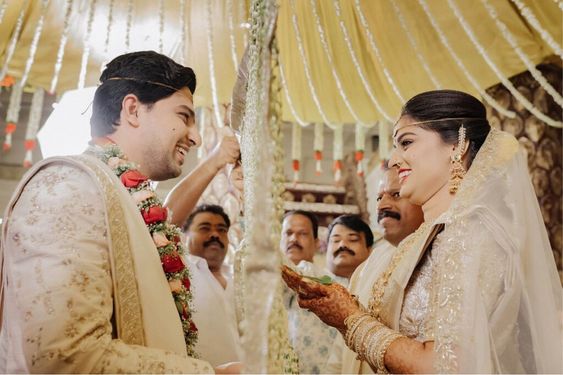
India is a land of diverse cultures and religions, and its weddings are no exception. One of the most elaborate and colorful wedding traditions in the world is the Hindu wedding. Hindu weddings are a spectacle of grandeur and spirituality, often lasting several days.
The wedding begins with a pre-wedding ritual called the “Sangeet,” where families and friends come together to celebrate through music and dance. The actual wedding day features a vibrant display of colors, with the bride often adorned in a richly embroidered red or maroon bridal attire. The ceremony takes place under a beautifully decorated canopy, or “mandap,” where the couple exchanges vows and takes seven symbolic steps around the holy fire, representing various aspects of married life.
The diverse culture of India means that each region has its own unique customs and traditions. For instance, in Punjabi weddings, there’s the playful ritual of “Joota Chupai,” where the bride’s sisters and friends steal the groom’s shoes and demand a ransom for their return. This fun tradition adds an element of camaraderie and humor to the wedding festivities.
Japan: The Beauty of a Shinto Wedding

In Japan, traditional Shinto weddings are a harmonious blend of simplicity, spirituality, and elegance. These weddings are deeply rooted in the Shinto religion, which places a strong emphasis on nature and the spirits.
Source: According to the Japan Guide, Shinto weddings take place at a Shinto shrine, where the couple and their families are blessed by a Shinto priest. Before the actual ceremony, there is a purification ritual called “Mizuage,” where the couple drinks sacred water to cleanse their minds and bodies.
One of the most iconic aspects of a Shinto wedding is the bride’s attire. The bride typically wears a “shiromuku,” an all-white kimono symbolizing purity and sincerity. Her hair is adorned with traditional accessories, and she may even wear a hood known as a “wataboshi.” The groom, too, wears traditional attire, often a black kimono called a “montsuki.”
During the ceremony, the couple performs a ritual called “San San Kudo,” where they exchange sips of sake (rice wine) from three cups to symbolize their union. This ritual is followed by the exchange of wedding rings. The couple then offers prayers and bows to the kami (spirits) at the shrine to seek their blessings for a harmonious marriage.
Mexico: The Unity of a Lazo Ceremony

In Mexico, weddings are a vibrant fusion of Spanish, indigenous, and Catholic traditions. One of the most significant Mexican wedding customs is the “Lazo Ceremony,” which symbolizes the binding of the couple’s love and commitment.
Another noteworthy Mexican tradition is the exchange of coins, known as “Las Arras.” Thirteen coins, or arras, are presented by the groom to the bride as a symbol of his commitment to provide for her and their future family. This custom dates back to Spanish colonial times and is deeply ingrained in Mexican wedding culture.
Scotland: The Charm of a Handfasting Ceremony

Scotland is known for its rich history, stunning landscapes, and unique wedding traditions. One of the most intriguing Scottish customs is the “Handfasting Ceremony,” which has its roots in ancient Celtic traditions.
Scottish weddings also feature the tradition of “Quaich,” a two-handled drinking cup filled with whisky or a traditional Scottish beverage. The bride and groom take a sip from the quaich as a symbol of their shared life journey and the challenges they will face together.
Nigeria: The Vibrancy of a Yoruba Wedding

Nigeria, with its diverse ethnic groups, boasts a plethora of unique wedding customs. Among the Yoruba people of southwestern Nigeria, weddings are a lively and colorful affair, rich in tradition and cultural significance.
The Yoruba traditional wedding attire is a sight to behold. The bride is adorned in a beautifully crafted gele (head tie), iro (wrapper), and buba (blouse), often made from vibrant and luxurious fabrics. The groom complements her attire with his own traditional outfit, which includes a flowing agbada (robe) and fila (cap).
A highlight of Yoruba weddings is the “Tying of the Knot,” where the couple’s wrists are bound together with a piece of cloth or rope. This symbolizes their union and the idea that they are now tied together for life. Music, dance, and vibrant colors are integral to Yoruba wedding celebrations, creating an atmosphere of joy and festivity.
Sweden: The Sweetness of a Swedish Cake Pull

In Sweden, wedding traditions are characterized by simplicity, elegance, and a touch of sweetness. One charming custom is the “Cake Pull,” where the bride and groom each pull a ribbon from a cake, unveiling hidden treasures.
Swedish weddings also feature the tradition of “kissing coins.” During the reception, guests can drop coins into a collection plate, and in exchange, they get to share a kiss with the newlyweds. The proceeds collected are meant to help the couple with their honeymoon or future expenses.
China: The Symbolism of a Chinese Tea Ceremony

In China, weddings are steeped in tradition and symbolism, with the Chinese Tea Ceremony being one of the most significant and heartfelt customs.
The tea itself holds special meaning. The bride’s tea is often sweet, symbolizing a sweet and harmonious relationship, while the groom’s tea is bitter, symbolizing his commitment to endure challenges for the sake of the marriage. The act of offering tea and receiving blessings is a touching moment that reinforces family bonds and respect for tradition.
Greece: The Celebration of a Greek Orthodox Wedding

Greece is known for its rich history, ancient ruins, and captivating islands, and its weddings are no less captivating. Greek Orthodox weddings are deeply rooted in religion and tradition, making them a unique and spiritually significant experience.
During the ceremony, the couple also participates in a ritual called the “Common Cup,” where they share a sip of wine from a single cup. This act symbolizes their shared life and the joys and sorrows they will experience together.
After the wedding ceremony, Greek weddings are renowned for their lively and exuberant celebrations, with music, dancing, and delicious cuisine. It’s common for guests to participate in traditional Greek dances, such as the “kalamatiano” and the “tsifteteli,” creating a joyful and festive atmosphere.
Weddings are a beautiful celebration of love, and the diversity of wedding traditions around the world only adds to their charm and significance. From the grandeur of Hindu weddings in India to the simplicity of Swedish Cake Pulls, each culture brings its own unique customs and ceremonies to the table. These traditions not only reflect the values and beliefs of a society but also remind us of the universal language of love that transcends borders and boundaries.
As we’ve explored these wedding traditions from different corners of the world, we’ve witnessed the deep symbolism, spirituality, and cultural richness that make each ceremony a memorable and meaningful experience. Whether it’s the unity of a Lazo ceremony in Mexico, the beauty of a Shinto wedding in Japan, or the charm of a Handfasting ceremony in Scotland, these customs serve as a testament to the enduring power of love and the importance of celebrating it in our own unique ways.
So, whether you’re planning your own wedding or simply curious about the traditions of others, take a moment to appreciate the beauty and diversity of wedding customs from around the world. After all, love knows no borders, and the rituals we create to celebrate it are a testament to the human spirit’s capacity for creativity, connection, and joy.
Also, Read:
Having an intimate Roka ceremony? Tips you need to checkout.
Barbie theme pink outfit for your sangeet ceremony
Pre-barat extravaganza: Themed parties, henna ceremonies, and captivating photo shoots
Wedding Registry Ideas: Beyond The Traditional Gift List
Resonating Heritage: Heartfelt Wedding Traditions Echoing India’s Independence Day