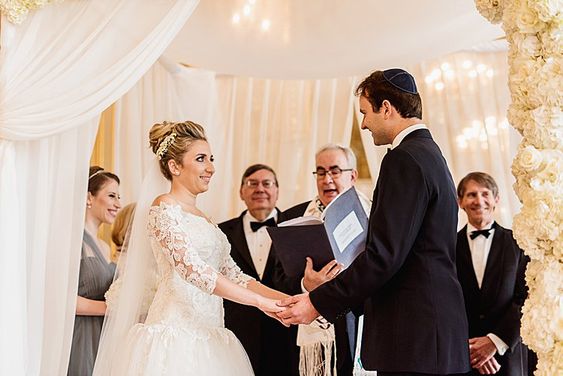
Love has no bounds in an increasingly linked world. As couples from many origins join together to celebrate their love, interfaith and inter-cultural marriages are becoming increasingly common. In this in-depth blog article, we’ll look at the beauty and difficulty of such unions, from the early phases of planning to the emotional moments of the ceremony itself.

Understanding Interfaith and Inter-Cultural Marriages
Defining Interfaith and Inter-Cultural Weddings
Interfaith Marriages: Interfaith weddings are unions where two people from different religious backgrounds decide to establish a life together. These partnerships provide a one-of-a-kind combination of cultural and spiritual variety. While they may be highly beneficial, they also provide unique problems, such as managing various religious practices, beliefs, and expectations.

Inter-Cultural Marriages: Intercultural marriages bring together persons from diverse cultural origins. These unions symbolise a harmonious fusion of traditions, customs, and history. They celebrate cultural variety and help couples learn, grow, and understand the complexities of their partner’s cultural identity.

The Beauty of Diversity: Why Interfaith and Inter-Cultural Weddings Matter
Embracing difference: The appreciation of diversity is at the heart of interfaith and inter-cultural marriages. Instead of viewing these differences as disadvantages, many couples see them as opportunities for personal growth and stronger emotional connection. This mutual discovery trip can strengthen their bond and create a stronger sense of oneness.
Cultural Fusion: Interfaith and intercultural marriages serve as a canvas for cultural fusion. These weddings seamlessly weave together various rites and rituals, resulting in a more extraordinary tapestry of celebration that celebrates both backgrounds. The fusion is more than just beautiful; it is a testament to the power of love to transcend cultural boundaries, from rituals incorporating elements from multiple faiths to incorporating cultural symbols into the décor.

Challenges and Considerations
Navigating Family Expectations
Dealing with Family Traditions: Addressing family concerns and expectations is one of the most challenging aspects of interfaith and intercultural marriages. Parents and extended family members frequently have strong feelings about the wedding. Couples must discover methods to honour these traditions while expressing their vision for the wedding.

Communication is essential: Effective communication is critical to the success of interfaith and inter-cultural marriages. Couples should communicate openly and compassionately with their families, addressing any worries and misconceptions. In rare circumstances, involving a mediator or counsellor specialising in intercultural and interfaith relationships may be beneficial.

Planning the Wedding Ceremony
Choosing the Perfect Wedding Location: Choosing the ideal wedding location is critical. Couples frequently choose neutral or culturally significant sites, giving a balanced backdrop for both families. The site represents togetherness and inclusion, making it a crucial part of the celebration.

Officiants and Rituals: The selection of officiants is critical in interfaith marriages. Officiants who appreciate and understand both faiths are frequently sought after by couples, allowing for a seamless blend of rites and customs. These officiants collaborate with the couple to create a ceremony honouring and celebrating their diverse cultures.

Blending Traditions: A Closer Look
Ceremonial Elements: The ceremony is the centre of an interfaith or inter-cultural wedding. This is where couples may artistically combine aspects from their own cultures to display the beauty of their union. For example, a couple may include readings from various religious scriptures, cultural symbols, or a unification ceremony symbolising their unique relationship.

Outfit and Aesthetics: The wedding outfit frequently shows the mixing of civilisations. Brides and grooms may choose clothes that combine aspects from both cultures, resulting in a visually striking representation of their union. This fashion fusion is not only stunning, but it also contains significant meaning.

Celebrating Food, Music, and Decor
The Culinary Fusion: The culinary adventure is one of the most fascinating components of inter-cultural marriages. These events frequently involve a variety of cuisines, providing all participants with a pleasurable and savoury experience. Guests may savour delicacies from numerous countries, broadening their palates and appreciating the couple’s culinary history.

Musical Harmony: Because music transcends language and culture, it is ideal to incorporate it into interfaith and inter-cultural marriages. Couples frequently choose music incorporating melodies and rhythms from both origins to create an atmosphere of togetherness and joy. Live bands or DJs may quickly shift between different musical types, guaranteeing that every guest on the dance floor has something to love.

Décor and Ambiance: The wedding décor provides a chance to include ethnic themes into the event. Couples can include important symbols and patterns in everything from the colour scheme to the centrepieces. A wedding combining Indian and American elements, for example, can have vivid colours, elaborate patterns, and symbols such as the lotus and the eagle.

Guest Experience
Inviting a Diverse Guest List: It is critical in interfaith and inter-cultural weddings to make all attendees feel comfortable and welcome. Couples attempt to invite guests from a variety of backgrounds and opinions. This inclusiveness adds to the celebration and emphasises the message of togetherness and acceptance.

Educational Opportunities: Some couples go over and above by offering educational opportunities to their guests. This might include instructional brochures or lectures that explain the significance of the ceremony’s cultural and religious aspects. These instructional activities improve visitor comprehension and involvement, promoting an atmosphere of appreciation and respect.
Interfaith and inter-cultural weddings demonstrate the ability of love to transcend boundaries. These occasions unite two people and cross cultures and faiths, creating more profound understanding and appreciation. Couples who embark on this path weave a brilliant tapestry of love that motivates us all to appreciate differences while also celebrating togetherness.
In a world where divides frequently dominate headlines, these weddings remind us that love can bring us together no matter where we originate from or what we believe. They are a light of hope, demonstrating that when love is the common thread, it is possible to build something genuinely beautiful that represents the variety of our planet. Celebrate love, togetherness, and the unique beauty of interfaith and inter-cultural marriages.
Also, Read:
Having an intimate Roka ceremony? Tips you need to checkout.
Barbie theme pink outfit for your sangeet ceremony
Pre-barat extravaganza: Themed parties, henna ceremonies, and captivating photo shoots
Wedding Registry Ideas: Beyond The Traditional Gift List
Resonating Heritage: Heartfelt Wedding Traditions Echoing India’s Independence Day