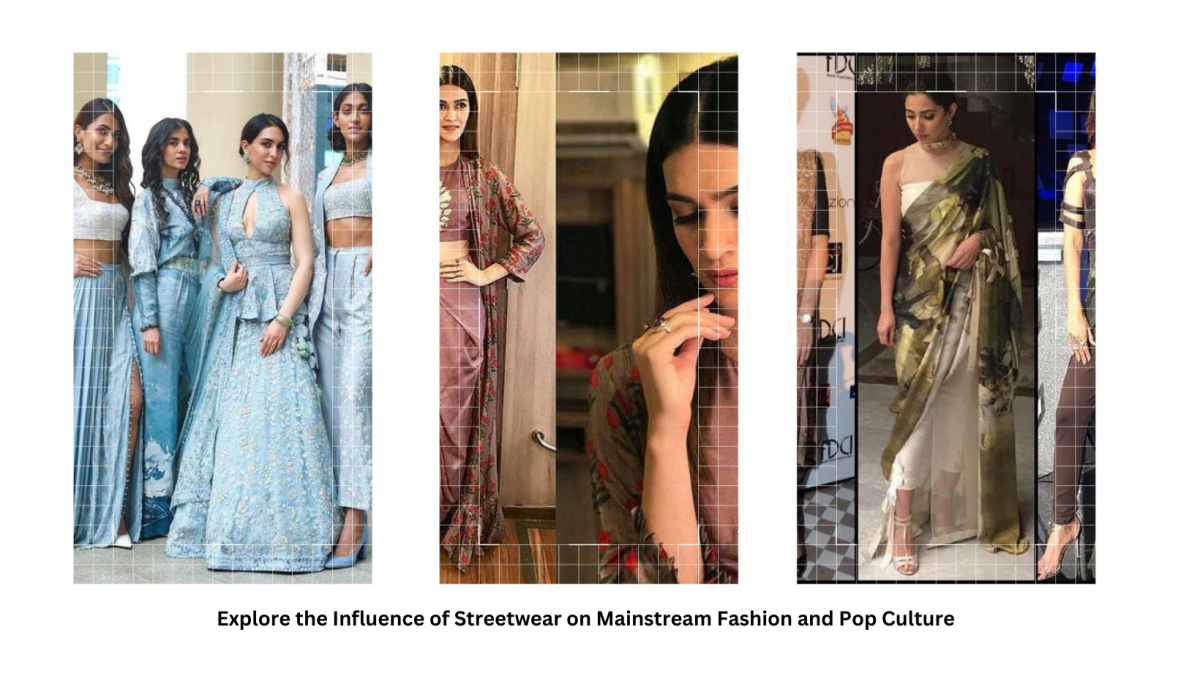
Streetwear has become a cultural phenomenon, crossing boundaries and into the mainstream like no other style in the ever-evolving fashion world, where trends come and go like the seasons. This blog will take you on an enthralling tour of the significant impact of streetwear on mainstream culture and fashion. We’ll go deeply into this subculture’s history and development, looking at how it changed how we dress and express ourselves and how celebrities and fashion designers immediately jumped on board.

The gritty streets of metropolitan settings, where individualism, creativity, and self-expression thrive, are where streetwear’s origins may be found. Streetwear originated as a form of defiance against conventional fashion rules due to the confluence of skateboarding, hip-hop, punk rock, and graffiti culture. The raw energy of the streets and the variety of voices from the subcultures that called them home were reflected in this style, which valued authenticity. Streetwear evolved from a fashion fad to a cultural movement as it gained popularity in the late 20th century.

Streetwear’s prominent brands and labels, like Supreme, Stüssy, and A Bathing Ape, began as modest local businesses before becoming well-known worldwide. These companies didn’t just produce apparel; they also gave those who wore their creations a sense of identity and community. The inclusivity of streetwear is one of its distinguishing qualities. Traditional age and gender limits weren’t followed. It was a fashion that appealed to individuals from all walks of life because it accepted differences and celebrated uniqueness. This open-minded attitude was crucial in allowing streetwear to enter the fashion mainstream.

Streetwear has evolved in recent years from a mere subculture to a significant influence in the fashion business. Luxury fashion’s top echelons have welcomed high-end designers like Virgil Abloh, Demna Gvasalia, and Kanye West from the streetwear fringe. The distinction between high fashion and streetwear has become more hazy due to their partnerships with renowned design companies and their collections that draw inspiration from streetwear.
The Birth of Streetwear

We must first explore the history of streetwear to comprehend its remarkable rise. In the 1970s, young people used graffiti, breakdancing, and a distinct sense of dress to express themselves on the streets of New York City, where streetwear first appeared. The concept was started by pioneers like Shawn Stussy, who popularised streetwear with his distinctive graffiti-inspired logo, and Dapper Dan, known for making tailored premium streetwear for hip-hop icons.
The Rebellious Spirit
Streetwear is more than simply apparel; it’s a way of life, a culture, and an attitude. It embodies the spirit of defiance. More than just clothing, streetwear represents a way of life, a culture, and an attitude. It symbolises the rebellious attitude of youth, which rejects societal norms and celebrates diversity. To portray the objective realities of urban life, the streets adopted a uniform of loose slacks, oversized sweaters, graphic t-shirts, and eye-catching sneakers.

It represents youth, bucking accepted fashion rules and embracing diversity. To portray the objective realities of urban life, the streets adopted a uniform of loose slacks, oversized sweaters, graphic t-shirts, and eye-catching sneakers.
Infiltrating the Mainstream

What began as a rebellious trend gradually entered the mainstream fashion sector. Companies like Supreme, Off-White, and BAPE used limited-release excitement, partnerships with high-end design houses, and the growth of cult followings to drive streetwear into the spotlight. Suddenly, status signals like logos and prominent branding emerged, and the fashion industry and celebrities embraced the streetwear aesthetic.
From the Runway to the Streets

Streetwear has started to show up in the worldwide fashion weeks’ collections. By putting sneakers and hoodies on the same catwalk as couture gowns, designers like Virgil Abloh, the founder of Off-White, and Kim Jones, the artistic director of Dior Men’s, combined streetwear and high fashion. This fusion of street culture and haute couture elevated streetwear while revolutionising the fashion industry.
Celebrities as Style Icons

Streetwear gained popularity in large part because of celebrities. Even the most well-known people in the world were eager to embrace the streetwear movement, as evidenced by the enormous success of Kanye West’s Yeezy line and Rihanna’s Fenty Puma line. Artists like Travis Scott and ASAP Rocky developed into style icons, and fashion connoisseurs worldwide examined their attire.
Streetwear as a Form of Self-Expression

The democratisation of fashion is one of streetwear’s most impressive features. It allowed people to express themselves freely without having to follow conventional conventions. Streetwear provides a platform for self-expression where originality rules supreme, whether you’re into skating, hip-hop, punk, or just want to make a statement.
In a world where fashion is continuously changing, streetwear exemplifies the potential of subcultures to affect mainstream society. From its humble beginnings on New York City’s streets to its pervasive influence on the runway and celebrity wardrobes, streetwear has not only conquered hearts and closets around the world; it has transcended fashion itself to become a cultural phenomenon that continues to shape the way we dress and express ourselves. In essence, streetwear is more than a fashion trend; it is a cultural force that refuses to be constrained by traditional fashion constraints.

Streetwear’s growth is a narrative of resistance, self-expression, and authenticity. It arose as a reaction to the rigidity and elitism of high fashion, providing a platform for individuals from all walks of life to express themselves via clothes. This democratisation of fashion was and continues to be, a powerful statement that everybody, regardless of socioeconomic background, can participate in establishing their particular style and identity.

The versatility of streetwear is one of its most notable features. It has a chameleon-like aesthetic incorporates aspects from diverse subcultures, art, music, and sports. Because of its versatility, streetwear has infiltrated the fashion sector and the fields of art, music, and sports. It’s a movement that bridges divides, uniting people with varied interests and backgrounds under the flag of self-expression and unique flair.

Streetwear has demonstrated that style has no bounds. It has crossed geographical, regional, and generational boundaries to become a worldwide language connecting individuals. Streetwear culture has left an everlasting impression on young and old alike, from Tokyo to Los Angeles, London to Seoul. It has blurred the barriers between high and low fashion, questioning preconceived perceptions of what is fashionable and fashionable.

Streetwear isn’t simply a fleeting fad in fashion and pop culture; it’s here to stay. Its impact may be observed in apparel, art, music, and even technology. Collaborations between streetwear, luxury companies, and artists have grown widespread, strengthening streetwear’s presence in mainstream society. The importance of drops and limited releases has been emphasised in streetwear, creating a sense of anticipation and exclusivity that keeps fans interested.

So, whether you’re a die-hard streetwear fan or just seeking to make a statement, remember that the streets are always watching, and your style is your voice. Streetwear has allowed us to express ourselves via clothes genuinely, and it continues to grow and inspire, demonstrating that fashion can be a powerful weapon for self-expression and societal transformation. As long as people want to make a statement and embrace their individuality, streetwear will be an essential element of the cultural landscape, reminding us that fashion is a dynamic and ever-changing discussion that crosses boundaries and links us all.
Also Read –
Independence Day Outfit Ideas That You Cannot Miss!
Barbie Theme Pink Outfits For Your Sangeet Ceremony
20+ Semi-Formal Groom Outfits That Are Perfect For Pre-wedding Ceremonies
20+Best Designs for Men’s Suits for Wedding 2023 Edition
New Trends That You Must Follow From The Lakme Fashion Week For Your Wedding Look